Renovating your home is one of the most rewarding projects you can undertake. Whether you’re looking to modernise an outdated property, add value before selling, or simply make your home more functional and stylish, careful planning and the right approach can make all the difference.
In this ultimate guide, we’ll walk you through every stage of a successful home renovation in the UK — from budgeting and design to finding the right contractors and managing the project efficiently.
1. Why Renovate Your Home?
Home renovation is about more than just improving aesthetics — it’s about transforming how you live. Some of the most common reasons UK homeowners choose to renovate include:
-
Increasing property value – A well-planned renovation can boost your home’s market value significantly.
-
Improving energy efficiency – Upgrading insulation, windows, and heating systems can cut energy bills.
-
Adapting to lifestyle changes – Growing families or home offices often require reconfigured spaces.
-
Enhancing comfort and functionality – Modern layouts and better materials can make your home more enjoyable.
2. Planning Your Home Renovation
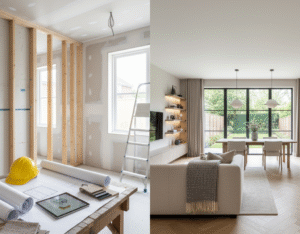
Every great renovation starts with a solid plan. Before any work begins, take the time to outline your goals and priorities.
Assess Your Home
Walk through your property and note what needs improvement — from structural issues to outdated décor. Identify what’s essential versus what’s optional.
Set a Realistic Budget
Renovation costs in the UK can vary widely depending on size, materials, and labour. Include an additional 10–15% contingency for unexpected expenses.
Create a Timeline
A clear schedule helps manage expectations and reduces stress. Consider seasonal factors, planning permissions, and contractor availability.
3. Understanding UK Building Regulations and Planning Permission
Before starting your renovation, check whether your project requires planning permission or must comply with building regulations.
-
Planning permission – Needed for significant changes such as extensions, loft conversions, or altering the building’s exterior.
-
Building regulations – Apply to structural changes, electrical work, plumbing, and insulation improvements to ensure safety and energy efficiency.
Consult your local planning authority or visit the Planning Portal (planningportal.co.uk) for official guidance.
4. Choosing the Right Contractors
Finding trusted professionals is crucial for a smooth renovation. Look for contractors who are:
-
Fully insured and accredited (e.g. FMB, NICEIC, Gas Safe)
-
Experienced in similar projects
-
Transparent with quotes and timelines
-
Highly reviewed or recommended
Always request a written contract, including project scope, cost breakdown, and completion schedule.
5. Popular Home Renovation Ideas in the UK
Here are some of the most common and high-impact renovation projects across the UK:
Kitchen Remodelling
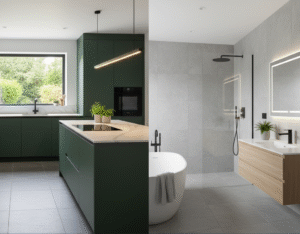
The kitchen is often the heart of the home. Open-plan layouts, quartz worktops, and energy-efficient appliances are trending.
Bathroom Upgrades
Modern bathrooms feature walk-in showers, freestanding baths, and sleek tiling. Consider underfloor heating for extra comfort.
Loft Conversions
Maximise unused space by turning your loft into a bedroom, home office, or playroom. It’s one of the most cost-effective ways to add value.
House Extensions
Rear and side extensions can dramatically increase your living space and improve natural light.
Energy-Efficient Improvements
Solar panels, better insulation, and double-glazed windows not only cut costs but also make your home more sustainable.
6. Managing the Renovation Process
A renovation can disrupt daily life, but with good organisation, you can minimise stress:
-
Communicate regularly with your contractor and track progress.
-
Order materials early to avoid delays.
-
Protect valuables and furniture from dust and damage.
-
Schedule key milestones such as plumbing, electrical work, and inspections.
7. Budget Breakdown: Typical UK Renovation Costs
| Project Type | Average Cost (UK) |
|---|---|
| Kitchen renovation | £8,000 – £15,000 |
| Bathroom renovation | £4,000 – £10,000 |
| Loft conversion | £20,000 – £45,000 |
| Rear extension | £25,000 – £60,000 |
| Full home renovation | £40,000 – £100,000+ |
Costs vary based on property size, location, and materials used.
8. Adding Value to Your Home
If your goal is to boost property value, focus on projects with strong return on investment:
-
Converting unused space (e.g. loft or garage)
-
Upgrading kitchens and bathrooms
-
Improving kerb appeal with landscaping or new windows
-
Enhancing energy performance
9. Common Mistakes to Avoid
-
Skipping the design phase – Poor planning leads to costly changes later.
-
Choosing the cheapest quote – Low prices may mean lower quality.
-
Ignoring permits – Fines and rework can quickly add up.
-
Underestimating the budget – Always include a buffer for surprises.
10. Final Thoughts
Home renovation in the UK can be an exciting and transformative experience when approached with the right strategy. From understanding regulations to hiring reliable tradespeople and managing your budget wisely, every decision plays a key role in achieving your dream home.
Whether you’re refreshing a single room or completely remodelling your property, thoughtful planning and professional execution ensure results that last for years to come.