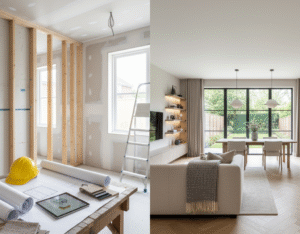
When undertaking a construction project — whether it’s a new build, an extension, or a full home renovation — interior design should never be an afterthought. The way your interior spaces look, feel, and function plays a vital role in transforming the structure into a comfortable, stylish, and harmonious living environment.
In this guide, we’ll share expert interior design tips to complement your construction project, ensuring every aspect of your home’s design feels intentional, cohesive, and timeless.
1. Start Interior Planning Early
One of the biggest mistakes homeowners make is waiting until the construction phase is nearly complete before thinking about interiors. Ideally, interior design and construction should work hand in hand from the very beginning.
By planning early, you can:
-
Align layouts, lighting, and finishes with the architectural design.
-
Ensure plumbing and electrical systems accommodate your desired interior features (e.g. statement lighting or built-in storage).
-
Avoid costly last-minute changes or reworks.
Bringing an interior designer into the project early allows seamless collaboration between the builders and design team — leading to a more efficient and cohesive result.
2. Create a Cohesive Design Vision
Before making any design decisions, take time to develop a clear vision for your home’s overall aesthetic. Whether you prefer modern minimalism, classic elegance, or rustic warmth, having a consistent theme will guide your choices in colours, materials, and furnishings.
Consider creating a mood board that includes:
-
Colour palettes
-
Flooring and wall textures
-
Lighting ideas
-
Furniture styles
-
Key décor inspirations
This helps ensure your construction and design choices complement one another — from the foundation to the finishing touches.
3. Focus on Functionality
Great interior design is not only about appearance but also about how well a space functions. During the construction phase, think about how each room will be used and how people will move through the space.
Ask yourself:
-
Does the layout maximise natural light and ventilation?
-
Are there enough storage areas built in?
-
Is there adequate space for furniture placement and movement?
Designing with functionality in mind prevents clutter and ensures your home feels comfortable and practical for daily living.
4. Use Materials That Complement the Build
Your choice of interior materials should enhance — not compete with — your construction features. For example:
-
Exposed brick or concrete walls can pair beautifully with warm wooden finishes to balance industrial and homely tones.
-
A modern steel staircase might be complemented with soft lighting and neutral colours to create harmony.
-
Natural stone or marble can elevate kitchens and bathrooms, tying in structural and aesthetic luxury.
Choosing durable, high-quality materials also ensures your interiors stand the test of time and reflect the craftsmanship of the build.
5. Pay Attention to Lighting Design
Lighting is one of the most powerful tools in interior design and should be planned alongside construction. Effective lighting enhances mood, functionality, and aesthetics.
Consider a layered approach:
-
Ambient lighting for general illumination (e.g. ceiling lights or recessed fixtures).
-
Task lighting for focused areas such as kitchen counters or reading nooks.
-
Accent lighting to highlight architectural features, artworks, or textures.
Maximising natural light through well-positioned windows and skylights will also make your space feel larger and more inviting.
6. Integrate Smart Technology
In 2025, smart home integration is a defining feature of modern interior design. During construction, plan wiring and fittings for:
-
Smart lighting and thermostats
-
Automated blinds or curtains
-
Home security systems
-
Integrated sound systems
Embedding these technologies during construction avoids messy retrofits and ensures a clean, modern aesthetic once the interiors are complete.
7. Prioritise Colour and Texture Balance
Colour schemes can dramatically influence how your space feels. Soft, neutral tones make rooms appear larger and calmer, while bold colours can add character and warmth.
To maintain balance:
-
Use neutral foundations (like whites, greys, or beige) on walls and floors.
-
Introduce texture through fabrics, rugs, and accessories.
-
Add pops of colour with artwork, cushions, or accent furniture.
Consistency across materials and hues creates a sense of flow between rooms — perfect for an elegant and unified look.
8. Don’t Neglect Finishing Touches
Polished finishes, trim details, and surface treatments make all the difference in luxury interiors. From smooth plastered walls to well-aligned skirting boards and refined joinery, attention to finishing separates a high-end result from an average one.
Even small design details — like door handles, taps, and lighting fixtures — should align with your overall design vision.
9. Work with Professionals
A successful construction and interior project depends on expert collaboration. Engaging professionals such as architects, builders, and interior designers ensures all technical and aesthetic elements align perfectly.
Professionals can help you avoid design conflicts, manage budgets effectively, and bring creative ideas that enhance both structure and style.
10. Think Long-Term
Finally, design with the future in mind. Choose timeless designs over short-lived trends, and invest in materials that are durable and sustainable. A well-designed home should continue to feel stylish and functional for years to come, adapting easily to your evolving needs.
Final Thoughts
Your construction project is the foundation of your dream home — but it’s the interior design that brings it to life. By integrating both from the start, you can achieve a seamless balance of form and function, resulting in a space that’s beautiful, practical, and uniquely yours.
If you’re planning a renovation, new build, or extension, professional guidance can make all the difference. A well-planned collaboration between construction and interior design experts ensures your home is not only structurally sound but also visually stunning.