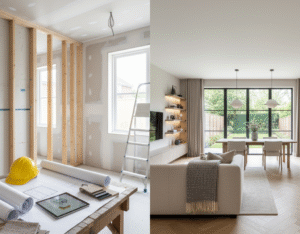
Space is a premium commodity in London. With property prices constantly on the rise, many homeowners are choosing to extend upwards rather than move out. A loft conversion is one of the most effective and affordable ways to add extra space, boost property value, and transform the way you live — without the need for a costly relocation.
This complete guide will take you through everything you need to know about loft conversions in London — from planning permission and design options to costs, benefits, and practical tips for a successful project.
1. What Is a Loft Conversion?
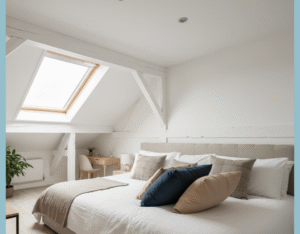
A loft conversion is the process of transforming the unused attic or roof space of a house into a functional room. Common uses include an extra bedroom, home office, gym, or even a private suite with an en-suite bathroom.
In densely populated areas like London, where land is limited, loft conversions provide an excellent opportunity to increase living space without extending the property’s footprint.
2. Why Consider a Loft Conversion in London?
There are several reasons why loft conversions are so popular among London homeowners:
-
Add Value to Your Property: A well-designed loft conversion can increase your property’s value by up to 20%, according to several UK property reports.
-
Avoid the Cost of Moving: No stamp duty, estate agent fees, or relocation costs.
-
Make Use of Unused Space: Convert dusty attic storage into a functional, beautiful room.
-
Energy Efficiency: Proper insulation during the conversion improves heat retention and reduces bills.
-
Flexibility: Create a space tailored to your lifestyle — from an extra bedroom to a stylish home office.
3. Types of Loft Conversions
Choosing the right type of loft conversion depends on your property’s structure, local planning regulations, and budget. Here are the most common options in London:
a. Roof Light (Velux) Conversion
-
The simplest and most cost-effective option.
-
Involves adding roof windows (Velux) without altering the roof structure.
-
Ideal for lofts with sufficient height.
Typical Cost: £25,000–£35,000
b. Dormer Loft Conversion
-
Adds a box-shaped extension to the existing roof, increasing both headroom and floor space.
-
The most popular choice for terraced and semi-detached London homes.
-
Suitable for bedrooms, offices, or en-suites.
Typical Cost: £35,000–£55,000
c. Hip-to-Gable Loft Conversion
-
Extends the sloping “hip” roof outwards to create a vertical gable wall.
-
Common in semi-detached or detached properties with hipped roofs.
-
Provides more usable space than a Velux conversion.
Typical Cost: £45,000–£60,000
d. Mansard Loft Conversion
-
Named after the French architect François Mansart.
-
Involves replacing one or both roof slopes with a steep 72-degree angle.
-
Typically built at the rear of terraced properties.
-
Offers maximum headroom and floor area.
Typical Cost: £55,000–£80,000+
e. L-Shaped Dormer Conversion
-
Combines two dormers to form an “L” shape, usually at the rear of Victorian or Edwardian homes.
-
Excellent for adding multiple rooms such as a bedroom and bathroom.
Typical Cost: £60,000–£75,000
4. Planning Permission and Building Regulations
Planning Permission
In many cases, loft conversions fall under Permitted Development Rights (PDR), meaning you won’t need formal planning permission.
However, planning permission is required if:
-
The conversion extends the roof height or shape significantly.
-
Your property is a flat, maisonette, or listed building.
-
The volume exceeds 40m³ for terraced or 50m³ for detached/semi-detached houses.
Always check with your local planning authority or visit the Planning Portal for official guidance.
Building Regulations
Even if you don’t need planning permission, all loft conversions must comply with building regulations, covering:
-
Structural stability (floor joists, beams, and supports)
-
Fire safety (escape routes, alarms, doors)
-
Insulation and ventilation
-
Electrical and plumbing systems
You’ll need an inspection at different stages to ensure compliance before receiving your Completion Certificate.
5. The Loft Conversion Process
Here’s what a typical loft conversion timeline looks like:
Step 1: Initial Consultation and Survey
A professional builder or architect inspects your property to assess feasibility and take measurements.
Step 2: Design and Planning
Architectural plans are created, and any required planning applications are submitted.
Step 3: Structural Calculations
A structural engineer ensures the roof and new flooring can support additional loads.
Step 4: Construction
This involves reinforcing floors, installing dormers or windows, adding insulation, and completing plumbing or electrics.
Step 5: Finishing and Decoration
Once the structure is complete, interior work such as plastering, flooring, and painting takes place.
Timeline: Most loft conversions take 6–12 weeks, depending on complexity.
6. Cost of Loft Conversions in London
The cost varies depending on property type, size, and finish level, but here’s a general guide:
| Type of Conversion | Average Cost (London) |
|---|---|
| Roof Light (Velux) | £25,000 – £35,000 |
| Dormer | £35,000 – £55,000 |
| Hip-to-Gable | £45,000 – £60,000 |
| Mansard | £55,000 – £80,000+ |
| L-Shaped Dormer | £60,000 – £75,000 |
Additional costs such as architectural fees, planning applications, and finishing can add 10–15% to your budget.
7. Maximising the Space
To make the most of your loft conversion:
-
Opt for built-in storage under eaves.
-
Use light colours and skylights to brighten the space.
-
Add soundproofing for privacy.
-
Consider underfloor heating for a comfortable, modern finish.
A well-designed layout will make your new space both stylish and practical.
8. Benefits of a Loft Conversion
-
Increases property value by 15–20%
-
Adds extra living space without losing garden area
-
Improves energy efficiency with new insulation
-
Customisable to suit your lifestyle
-
Faster and less disruptive than ground-floor extensions
For many London homeowners, a loft conversion is the most cost-effective way to expand.
9. Choosing the Right Loft Conversion Company
Selecting the right builder is essential for ensuring quality workmanship and compliance.
Look for:
-
Experience with London loft conversions
-
Membership with trusted organisations (e.g. FMB, TrustMark)
-
Detailed, transparent quotations
-
Positive reviews or references
-
Full insurance and warranties
A professional company will guide you through every stage — from design to completion.
10. Final Thoughts
A loft conversion is a smart investment for London homeowners seeking more space, comfort, and value. With careful planning, professional advice, and high-quality execution, you can transform an unused attic into one of the most beautiful and functional parts of your home.
Whether you’re adding an extra bedroom, a private office, or a modern en-suite, a loft conversion is the perfect way to make your London property work better for you.