Creating functional, attractive, and efficient commercial spaces requires more than just design flair — it demands intelligent construction solutions. Two of the most effective methods for achieving this balance are dry lining and grid systems. These modern techniques allow businesses to maximise space, improve acoustics, enhance aesthetics, and maintain flexibility — all essential factors in today’s fast-changing commercial environments.
In this guide, we’ll explore how dry lining and grid systems can optimise commercial spaces, improve performance, and help businesses make the most of their interiors.
1. Understanding Dry Lining and Grid Systems
Before diving into the benefits, let’s clarify what these systems involve.
-
Dry Lining:
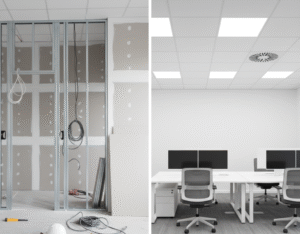
Dry lining is the process of attaching plasterboard to internal walls or ceilings using adhesive or a metal framework. Unlike traditional wet plastering, it’s quicker, cleaner, and provides a smooth, modern finish ready for painting or decoration. -
Grid Systems (Suspended Ceilings):
A grid system, also known as a suspended ceiling, consists of a metal framework suspended below the main ceiling, with tiles or panels fitted into the grid. These ceilings are common in offices, retail units, and industrial buildings for concealing electrical wiring, lighting, and HVAC systems while maintaining easy access for maintenance.
Together, these two systems form the backbone of modern commercial interiors, offering practicality, aesthetics, and efficiency.
2. Maximising Space and Layout Flexibility
One of the main advantages of dry lining and grid systems is their ability to redefine interior layouts quickly and efficiently.
-
Partitioning Flexibility: Dry lining enables the creation of temporary or permanent partitions, allowing you to reconfigure spaces as your business evolves — ideal for growing teams or new departments.
-
Efficient Use of Height: Suspended ceilings allow you to hide unsightly ductwork or structural elements without compromising accessibility.
-
Open-Plan or Private Zones: Combine dry lining with acoustic insulation to create quiet meeting rooms, collaborative zones, or open-plan offices tailored to your needs.
This flexibility makes them particularly valuable in offices, healthcare facilities, schools, and retail units, where space requirements can frequently change.
3. Enhancing Acoustic Performance
Noise control is critical in commercial environments, especially open-plan offices and busy retail spaces. Dry lining and suspended ceilings play a huge role in improving acoustic comfort.
-
Acoustic Plasterboard: Specially designed plasterboards can significantly reduce sound transmission between rooms.
-
Acoustic Ceiling Tiles: Grid systems can incorporate sound-absorbing tiles that minimise echo and enhance speech clarity.
-
Productivity and Wellbeing: Quieter workspaces contribute to better concentration, reduced stress, and overall employee satisfaction.
By integrating acoustic solutions during construction, businesses can create calm and productive work environments without compromising style.
4. Improving Thermal Efficiency and Energy Savings
Energy efficiency is now a top priority for commercial property owners. Both dry lining and grid systems contribute to better thermal performance, helping reduce heating and cooling costs.
-
Insulated Plasterboard: Dry lining with thermal insulation helps retain heat during winter and maintain cooler temperatures in summer.
-
Suspended Ceilings: By lowering the ceiling height, grid systems reduce the volume of air that needs heating or cooling, improving energy efficiency.
These systems not only enhance comfort but also reduce operational costs, aligning with modern sustainability goals.
5. Aesthetic Appeal and Professional Finish
In commercial spaces, first impressions matter. Dry lining and grid systems allow for clean, professional finishes that can be tailored to your brand identity and interior style.
-
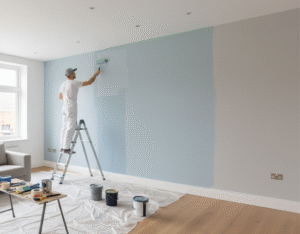
Seamless Walls and Ceilings: Dry lining provides smooth surfaces ideal for painting, wallpapering, or decorative finishes.
-
Design Variety: Grid systems come in various tile styles, from sleek white panels to textured or patterned finishes.
-
Lighting Integration: Suspended ceilings easily accommodate LED lighting, spotlights, and ventilation grilles, offering a polished, cohesive look.
The result is a visually appealing environment that enhances employee morale and impresses clients and visitors alike.
6. Concealing Services for a Clean, Organised Space
Commercial buildings often require extensive electrical wiring, data cabling, air conditioning ducts, and fire safety systems. Grid systems provide the perfect solution for concealing these without limiting access.
-
Accessible Panels: Tiles can be lifted for quick access to hidden systems during maintenance.
-
Clutter-Free Aesthetic: Unsightly cables and ducts remain out of sight, maintaining a clean and modern workspace.
This makes grid systems particularly useful in corporate offices, educational institutions, and medical centres, where both functionality and hygiene are key.
7. Speed and Ease of Installation
Time is money in commercial construction — and both dry lining and grid systems are known for their quick installation.
-
Dry Lining: Requires no drying time like wet plaster, allowing decorators to start sooner.
-
Grid Systems: Can be installed with minimal disruption, making them ideal for refurbishments or phased upgrades.
These efficient methods ensure faster project completion, reduced labour costs, and minimal downtime for business operations.
8. Sustainability and Environmental Benefits
Modern commercial construction increasingly focuses on sustainability. Fortunately, both dry lining and grid systems offer eco-friendly advantages:
-
Many plasterboards and ceiling tiles are made from recycled materials.
-
Components can be reused or replaced individually, reducing waste.
-
Improved energy efficiency contributes to a lower carbon footprint.
Choosing these systems supports environmentally responsible construction while meeting the performance needs of modern businesses.
9. Long-Term Value and Maintenance
Dry lining and grid systems are not only cost-effective to install but also easy to maintain and modify over time.
-
Damaged ceiling tiles or wall panels can be replaced individually.
-
Regular maintenance is straightforward, reducing long-term expenses.
-
Their flexibility ensures your space can evolve without the need for major reconstruction.
For property owners and facility managers, this translates into lower maintenance costs and greater adaptability for future tenants or business changes.
10. Tailoring Systems to Specific Commercial Needs
Every commercial space is different, and these systems can be tailored accordingly:
-
Offices: Acoustic partitions, integrated lighting, and hidden data cabling.
-
Retail Spaces: Suspended ceilings with decorative tiles for brand impact.
-
Hospitals & Schools: Fire-resistant, hygienic surfaces that meet building standards.
-
Warehouses: Durable, easily accessible ceiling grids for utilities.
Customising dry lining and grid systems ensures that the space performs optimally for its intended use while maintaining safety and visual appeal.
Final Thoughts
In today’s competitive commercial environment, optimising space efficiently is essential — and dry lining combined with grid systems provides the ideal solution. These versatile construction methods deliver style, comfort, functionality, and cost-efficiency, making them invaluable for modern businesses across the UK.
Whether you’re refurbishing an office, designing a retail store, or constructing a new commercial facility, investing in professional dry lining and ceiling solutions ensures your space remains adaptable, energy-efficient, and visually striking for years to come.