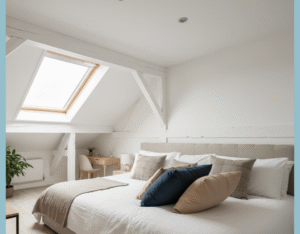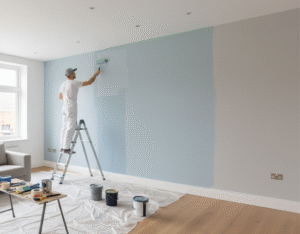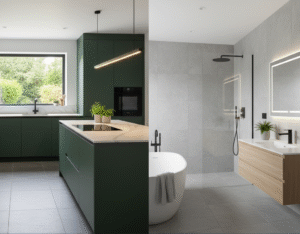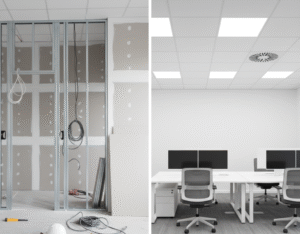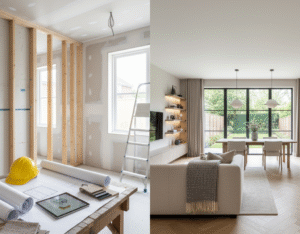
A home extension is one of the best ways to gain extra space, increase property value, and create the home you’ve always wanted — without the hassle of moving. Whether you’re adding a new kitchen-diner, extending your living room, or building an extra bedroom, a well-planned extension can transform your home.
However, before breaking ground, there are several crucial factors to consider to ensure your project runs smoothly, stays within budget, and complies with UK building regulations.
Here’s a detailed guide outlining the key things you should consider before starting a home extension in the UK.
1. Define the Purpose and Vision
Before hiring an architect or contractor, think carefully about why you want the extension.
Is it for a larger kitchen, an additional bedroom, or to create a home office? Clearly defining your goals helps shape the design, layout, and overall cost.
Questions to Ask Yourself:
-
What will the extra space be used for?
-
How will it integrate with the existing layout?
-
Will it improve the property’s functionality and flow?
A clear vision will make it easier for architects and builders to understand your priorities and deliver the results you expect.
2. Set a Realistic Budget
Budgeting is one of the most important aspects of any home extension project. In the UK, the average cost of a single-storey extension ranges from £1,500 to £2,500 per square metre, while double-storey extensions can reach £3,000 per square metre or more, depending on materials and finishes.
Top Budgeting Tips:
-
Always include a 10–15% contingency fund for unexpected costs.
-
Factor in professional fees (architects, engineers, planning applications).
-
Don’t forget VAT, which can add a significant amount to the total cost.
Being realistic from the start prevents financial stress and ensures you can complete the project to a high standard.
3. Check Planning Permission and Building Regulations
Before any construction begins, you must ensure your extension complies with UK planning permission rules and building regulations.
Planning Permission
Some smaller extensions fall under Permitted Development Rights (PDR), meaning you don’t need formal permission. However, this depends on the size, height, and location of your property.
You’ll likely need planning permission if your extension:
-
Covers more than half of your garden area
-
Extends towards a road or public footpath
-
Exceeds height restrictions or alters the building façade
Visit the Planning Portal or contact your local planning authority for official guidance.
Building Regulations
Regardless of planning permission, your extension must meet building regulations related to:
-
Structural stability
-
Fire safety
-
Insulation and energy efficiency
-
Electrical and plumbing systems
Failure to comply can result in fines or complications when selling your property.
4. Choose the Right Design and Layout
Your extension should complement your home’s existing architecture while improving functionality.
Work with an experienced architect or designer to create detailed plans that maximise natural light, flow, and usability.
Design Tips:
-
Consider open-plan living for a spacious feel.
-
Use glass doors, rooflights, or skylights to increase brightness.
-
Ensure the new space blends seamlessly with the existing building.
-
Think about how it connects to your garden or outdoor area.
Good design is not just about aesthetics — it enhances how you live in your home.
5. Hire Qualified Professionals
Choosing the right team can make or break your project. From architects and builders to electricians and plumbers, ensure every tradesperson is qualified and reliable.
What to Look For:
-
Membership with recognised bodies (e.g. FMB, NICEIC, Gas Safe)
-
Proven experience with similar extensions
-
Positive client reviews and testimonials
-
Clear written quotes and timelines
Always get at least three quotes before deciding and avoid contractors who demand large upfront payments.
6. Consider Your Neighbours
Home extensions can sometimes cause disputes, especially in densely populated London neighbourhoods.
Under the Party Wall Act 1996, you may need to inform your neighbours if your extension affects a shared boundary or wall.
Be Considerate:
-
Discuss your plans early to maintain good relationships.
-
Provide clear timelines and updates.
-
Minimise noise and disruption where possible.
A cooperative approach helps prevent delays and complaints later on.
7. Think About the Impact on Your Daily Life
During construction, parts of your home may be inaccessible or noisy.
Plan ahead to minimise disruption — especially if you’re living in the property throughout the build.
Practical Steps:
-
Set up a temporary kitchen if your current one is affected.
-
Protect valuable items and furniture from dust and debris.
-
Ensure clear access for builders and deliveries.
For major projects, consider short-term accommodation elsewhere until key stages are completed.
8. Focus on Energy Efficiency and Sustainability
Modern home extensions should not only look great but also be energy-efficient. This adds long-term value and reduces utility costs.
Eco-Friendly Ideas:
-
Use sustainable materials like recycled timber or reclaimed bricks.
-
Add high-quality insulation and double-glazed windows.
-
Install energy-efficient lighting and appliances.
-
Consider renewable options such as solar panels or heat pumps.
Sustainable choices appeal to eco-conscious buyers and align with UK energy standards.
9. Plan for Future Maintenance
Think beyond completion — how easy will it be to maintain your new space?
Choose durable materials, weather-resistant finishes, and layouts that are practical for cleaning and upkeep.
Simple design choices now can save significant time and cost later.
10. Estimate the Value Added
Finally, consider how much value your extension will add to your property.
In London, well-designed extensions can increase property value by 10–20%, especially if they add functional space such as a kitchen-diner or extra bedroom.
However, always research local property prices to ensure your investment aligns with your area’s market ceiling.
Final Thoughts
A home extension is a major investment that requires careful thought, planning, and professional execution. By considering design, budgeting, permissions, and long-term value early on, you can create an extension that not only enhances your living space but also increases your property’s worth.
Whether it’s a rear kitchen extension, a side return, or a two-storey build, preparation is the key to success. Take your time, seek expert advice, and enjoy watching your vision come to life.