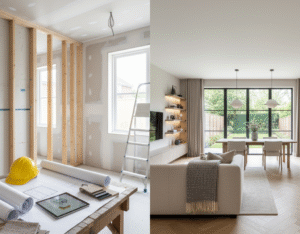
In London and across the UK, space comes at a premium. Whether your family is growing, you’re working from home, or you simply want more room to relax, a home extension is one of the best ways to expand your living area without the stress of moving.
However, building an extension isn’t just about adding square footage — it’s about making every inch count. A well-designed, smart home extension can transform how you live, improve functionality, and significantly increase your property’s value.
Here’s a complete guide on how to maximise space with a smart home extension, from clever planning and layout design to lighting, storage, and technology.
1. Start with Smart Planning
Every successful extension begins with a strong plan. Before diving into design ideas, take the time to define exactly how you want to use the new space.
Ask yourself:
-
Do you need a larger kitchen-diner or open-plan living area?
-
Will it serve multiple purposes (e.g. dining, relaxing, working)?
-
How can the extension improve the flow and functionality of your existing home?
Think of the extension as a natural continuation of your home — not just an add-on. Consult an architect or home renovation specialist to assess how best to integrate the new structure with your existing layout.
2. Choose the Right Type of Extension
Different extension styles serve different needs, and choosing the right one is key to maximising both space and practicality.
Popular Options in London:
-
Rear Extension: Perfect for opening up the kitchen and creating a large family space.
-
Side Return Extension: Ideal for terraced or semi-detached homes with narrow outdoor space.
-
Wraparound Extension: Combines rear and side extensions for a truly spacious, open-plan feel.
-
Double-Storey Extension: Expands both the ground and upper floors for maximum impact.
A well-chosen extension type ensures you make full use of your property’s potential without sacrificing outdoor space.
3. Embrace Open-Plan Living
Open-plan layouts are one of the most effective ways to create a feeling of space and light. By removing interior walls, you can blend kitchen, dining, and living areas into one multifunctional space that feels larger and more connected.
Tips for Smart Open-Plan Design:
-
Use zoning techniques (e.g. rugs, furniture placement, or ceiling changes) to define different areas.
-
Incorporate sliding or folding doors to offer flexibility between open and closed layouts.
-
Ensure adequate ventilation and lighting to maintain comfort and brightness.
Open-plan extensions not only make your home look bigger but also improve social interaction and everyday functionality.
4. Maximise Natural Light
Natural light plays a crucial role in how spacious a room feels. A bright, airy space always appears larger and more inviting.
Effective Ways to Add Light:
-
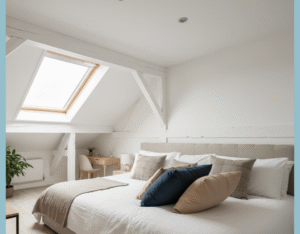
Install roof lanterns or Velux windows for overhead sunlight.
-
Add bi-fold or sliding glass doors that open onto the garden.
-
Use light-reflective colours and finishes for walls and flooring.
-
Include minimalist window frames to let in more light and views.
Natural light not only enhances the sense of space but also improves mood and energy efficiency.
5. Integrate Smart Storage Solutions
Clutter can make even the largest rooms feel cramped. Smart, built-in storage helps maintain a clean, open feel while keeping essentials neatly tucked away.
Smart Storage Ideas:
-
Under-bench seating in dining areas.
-
Built-in cupboards under staircases or along unused walls.
-
Multi-functional furniture with hidden storage.
-
Vertical shelving to make use of wall height.
Plan storage from the start so it fits seamlessly into your extension’s design rather than as an afterthought.
6. Consider Multi-Functional Spaces
In modern homes, flexibility is key. Designing spaces that can serve multiple purposes ensures your extension adapts to your changing needs.
Examples:
-
A kitchen-diner that doubles as a workspace.
-
A living area with a fold-out guest bed or sliding divider.
-
A utility zone hidden behind sleek cabinetry.
Think about how furniture and layout choices can maximise usability without crowding the room.
7. Use Smart Technology
Incorporating smart home technology can dramatically improve the functionality and comfort of your extension.
Smart Upgrades to Consider:
-
Smart lighting systems (e.g. Philips Hue, Lutron) that adjust brightness automatically.
-
Underfloor heating controlled by a smart thermostat.
-
Automated blinds and window sensors for energy efficiency.
-
Integrated sound or entertainment systems.
These features make your home more energy-efficient, convenient, and future-proof — all while enhancing the sense of luxury.
8. Seamlessly Connect Indoor and Outdoor Spaces
Blurring the boundaries between indoors and outdoors creates the illusion of more space and brings a sense of calm and openness.
Design Tips:
-
Use bi-fold doors that open fully onto a patio or deck.
-
Maintain consistent flooring between the interior and exterior areas.
-
Add outdoor lighting and heating for year-round use.
A well-designed garden connection transforms your extension into a lifestyle-enhancing feature rather than just a structural addition.
9. Prioritise Energy Efficiency
A smart home extension should not only be spacious but also sustainable. Energy-efficient design reduces running costs and future-proofs your home.
Energy-Saving Considerations:
-
Install double or triple glazing.
-
Use insulated walls, floors, and roofing.
-
Choose LED lighting and efficient appliances.
-
Consider solar panels or air-source heat pumps for renewable energy.
Energy efficiency adds comfort while boosting your property’s market value — a win-win for any homeowner.
10. Work with Experienced Professionals
To truly maximise your space, you’ll need more than just a good idea — you’ll need skilled professionals who can bring your vision to life.
Architects, builders, and interior designers with experience in London’s housing styles and planning regulations can ensure your extension is both practical and visually stunning.
Avoid cutting corners; professional expertise guarantees long-term quality and compliance with building regulations.
Final Thoughts
A smart home extension isn’t just about creating more room — it’s about transforming your lifestyle. By planning carefully, embracing open layouts, and using natural light, smart storage, and technology, you can achieve a spacious, modern home that works beautifully for you and your family.
Whether you live in a compact London terrace or a suburban detached house, the key to success is making every inch functional, flexible, and future-ready.