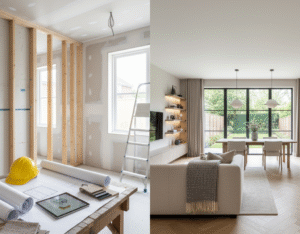
As London property prices continue to rise, more homeowners are choosing to improve rather than move. Two of the most popular ways to add extra living space — and increase property value — are loft conversions and home extensions.
Both options offer unique benefits, but deciding which is best depends on your home’s layout, budget, and long-term plans. In this guide, we’ll explore the differences between a loft conversion and a home extension, comparing costs, space potential, planning requirements, and overall value to help you make the right decision.
1. Understanding the Basics
What is a Loft Conversion?
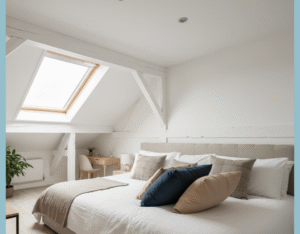
A loft conversion transforms unused attic space into a functional living area — such as a bedroom, office, or studio. It typically involves reinforcing the floor, adding insulation, installing windows (e.g. Velux or dormer), and ensuring proper access via a staircase.
Loft conversions are ideal for homes with sufficient roof height and structure, particularly in terraced and semi-detached London properties.
What is a Home Extension?
A home extension involves adding new space horizontally — such as extending the kitchen, creating an open-plan living area, or adding an extra room at the rear or side of your home.
Extensions can dramatically change your home’s footprint and are often more versatile, but they require more land and usually cost more to build.
2. Space and Functionality
Loft Conversion
A loft conversion typically adds one or two rooms, depending on the size of the roof space. It’s perfect for creating:
-
A master bedroom with an en-suite
-
A home office or study
-
A playroom or guest room
However, because it’s at the top of the house, it’s less suitable for expanding living areas like kitchens or lounges.
Home Extension
A home extension can add significant ground-floor space, allowing you to enlarge living, dining, or kitchen areas. You can even add new bedrooms or utility rooms if you opt for a double-storey extension.
It’s ideal for families needing more shared living space rather than additional bedrooms.
✅ Winner for Space: Home Extension
If your goal is to create a more open-plan lifestyle or expand key living areas, an extension is usually the better choice.
3. Cost Comparison
The cost of your project will depend on the size, materials, and design complexity. However, average estimates for London projects are as follows:
| Project Type | Average Cost (London) | Potential Value Added |
|---|---|---|
| Loft Conversion | £30,000 – £65,000 | 15–20% |
| Home Extension | £40,000 – £100,000+ | 10–25% |
While extensions tend to cost more, they can also yield higher returns if designed well.
✅ Winner for Budget: Loft Conversion
A loft conversion is generally more affordable and offers excellent value for money, especially if you already have suitable roof space.
4. Planning Permission and Regulations
Loft Conversions
Most loft conversions fall under permitted development rights, meaning you won’t usually need planning permission unless:
-
You’re altering the roof shape significantly (e.g. Mansard conversion)
-
Your home is in a conservation area
-
You exceed height or volume limits
However, building regulations approval is always required.
Home Extensions
Extensions are more likely to require planning permission, particularly for large or multi-storey designs. You’ll also need to consider party wall agreements, drainage, and boundary regulations.
✅ Winner for Simplicity: Loft Conversion
Converting your loft usually involves fewer planning challenges, making it a faster and smoother project.
5. Timeframe
-
Loft Conversion: Typically 6–10 weeks
-
Single-storey Extension: Around 10–14 weeks
-
Double-storey Extension: 16 weeks or more
✅ Winner for Speed: Loft Conversion
Loft conversions are quicker to complete since they involve less groundwork and external construction.
6. Impact on Your Lifestyle During Construction
A major benefit of loft conversions is that most of the work happens above the main living areas, meaning minimal disruption.
Home extensions, however, often involve heavy groundwork, wall removal, and kitchen relocation — making the process more intrusive.
✅ Winner for Convenience: Loft Conversion
If you’re living in the property during construction, a loft conversion is much easier to manage.
7. Design Flexibility
Loft Conversion
Your design options are somewhat limited by your existing roof structure. While dormer or mansard conversions can add space and light, you’re still working within the shape of your existing home.
Home Extension
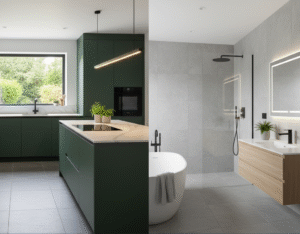
Extensions offer far greater flexibility — from modern open-plan kitchen-diners with skylights to large bi-fold doors opening onto the garden.
✅ Winner for Creativity: Home Extension
If you want to redesign your home’s layout or make a bold architectural statement, an extension gives you more freedom.
8. Property Value and Return on Investment
Both loft conversions and home extensions can significantly increase your property’s market value. However, the return depends on the location and type of property.
-
Loft conversions tend to offer a strong ROI (up to 20%) in London, where additional bedrooms are highly sought after.
-
Extensions can add even more value (up to 25%) if they create spacious, functional living areas that appeal to modern buyers.
✅ Winner for Long-Term Value: Home Extension (slightly ahead)
While both add value, a well-designed extension can transform the overall flow and appeal of your property.
9. Suitability for London Homes
In London, where outdoor space is limited, a loft conversion often makes more sense. It allows you to expand upwards rather than outwards, preserving valuable garden or patio areas.
That said, if you’re fortunate enough to have a large plot, a rear or side extension may provide a more substantial and versatile upgrade.
✅ Winner for Urban Homes: Loft Conversion
✅ Winner for Suburban Homes: Home Extension
10. Combining Both for Maximum Impact
Some homeowners choose to do both — a loft conversion and a rear extension — to create the ultimate transformation. For example:
-
Add a loft master suite upstairs
-
Expand your kitchen-dining area downstairs
This approach maximises space vertically and horizontally, offering the best of both worlds and a significant property value boost.
Final Verdict: Which is Best for You?
| Factor | Best Option |
|---|---|
| Budget | Loft Conversion |
| Space & Flexibility | Home Extension |
| Planning Simplicity | Loft Conversion |
| Speed | Loft Conversion |
| Long-Term Value | Home Extension |
| Urban Areas | Loft Conversion |
| Suburban Areas | Home Extension |
Ultimately, the right choice depends on your property type, budget, and lifestyle goals. If you’re after quick results with minimal disruption, go for a loft conversion. If you need to reshape your home’s layout and create more living space, a home extension is the better option.
Final Thoughts
Both loft conversions and home extensions can transform your home and add significant value when planned carefully. The key is to work with experienced builders, architects, and designers who understand local London regulations and can guide you through the process efficiently.
Whether you go up or out, a well-executed renovation is one of the best investments you can make in your home’s future.